LUMEN
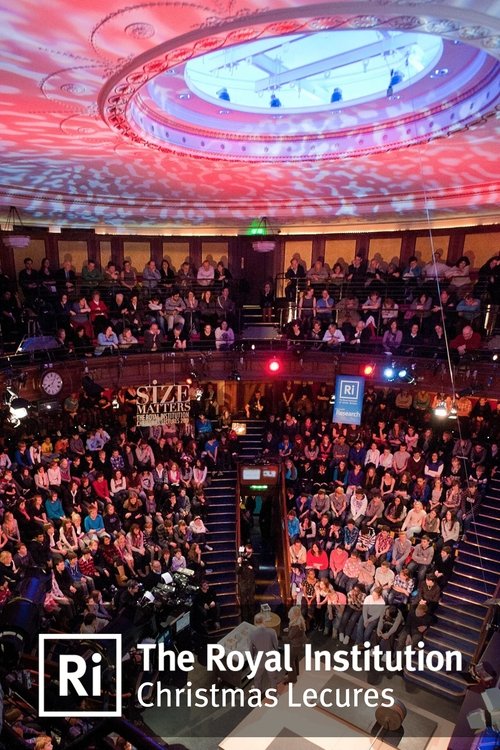
Royal Institution Christmas Lectures poster

Royal Institution Christmas Lectures

1966 5.1

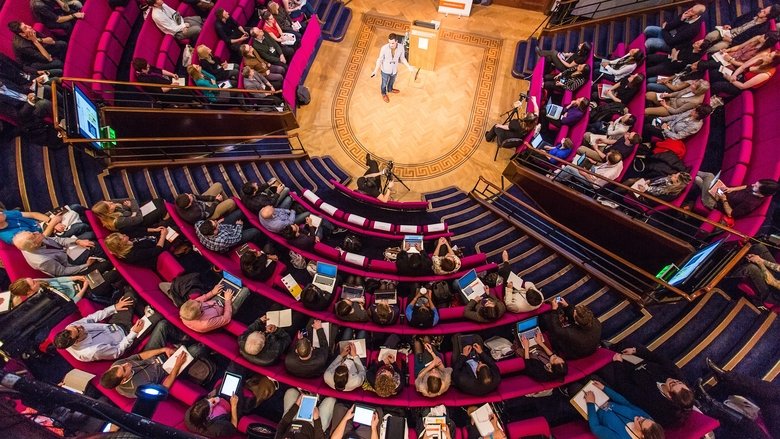
The Royal Institution Christmas Lectures are a series of lectures on a single topic, which have been held at the Royal Institution in London each year since 1825. The lectures present scientific subjects to a general audience, including young people, in an informative and entertaining manner. Michael Faraday initiated the first Christmas Lecture series in 1825. This came at a time when organised education for young people was scarce. Faraday presented a total of nineteen series in all.

Play
  1. Play Waking Up in the Universe
    1

    Waking Up in the Universe

    1991-12-27

    Dawkins discusses the amazing capabilities of the human body and contrasts these with the limited capabilities of computers and other man-made machines. He uses a small totem pole (which is used in ancestor worship) to illustrate the importance of studying our ancestors to understand how we've evolved.

  2. Play Designed and Designoid Objects
    2

    Designed and Designoid Objects

    1991-12-28

    Dawkins' second lecture of the series examines the problem of design. He presents the audience with a number of simple objects, such as rocks and crystals, and notes that these objects have been formed by simple laws of physics and are therefore not designed. He then examines some designed objects - including a microscope, an electronic calculator, a pocket watch, and a clay pot - and notes that none of these objects could have possibly come about by sheer luck.

  3. Play Climbing Mount Improbable
    3

    Climbing Mount Improbable

    1991-12-29

    Dawkins starts the lecture coming in with a stick insect on his hand. He describes with how much details such a being imitates its environment, its almost like a key that fits a lock. He then shows another insect, namely a Leaf Insect, which basically looks exactly like a dead leaf.

  4. Play The Ultraviolet Garden
    4

    The Ultraviolet Garden

    1991-12-30

    Dawkins begins by relating the story of asking a little girl "what she thought flowers were 'for'." Her response is anthropocentric, that flowers are there for our benefit. Dawkins points out that many people throughout history have thought that the natural world existed for our benefit, with examples from Genesis and other literature.

  5. Play The Genesis of Purpose
    5

    The Genesis of Purpose

    1991-12-31

    Dawkins opens by talking how organisms “grow up” to understand the universe around them, which requires certain apparatus, such as a brain. But before brains can become large enough to model the universe they must develop from intermediate forms.

Cast

More Like This

Ratings & Reviews

No ratings yet

Sign in to rate Royal Institution Christmas Lectures.

This product uses the TMDB API but is not endorsed or certified by TMDB.